
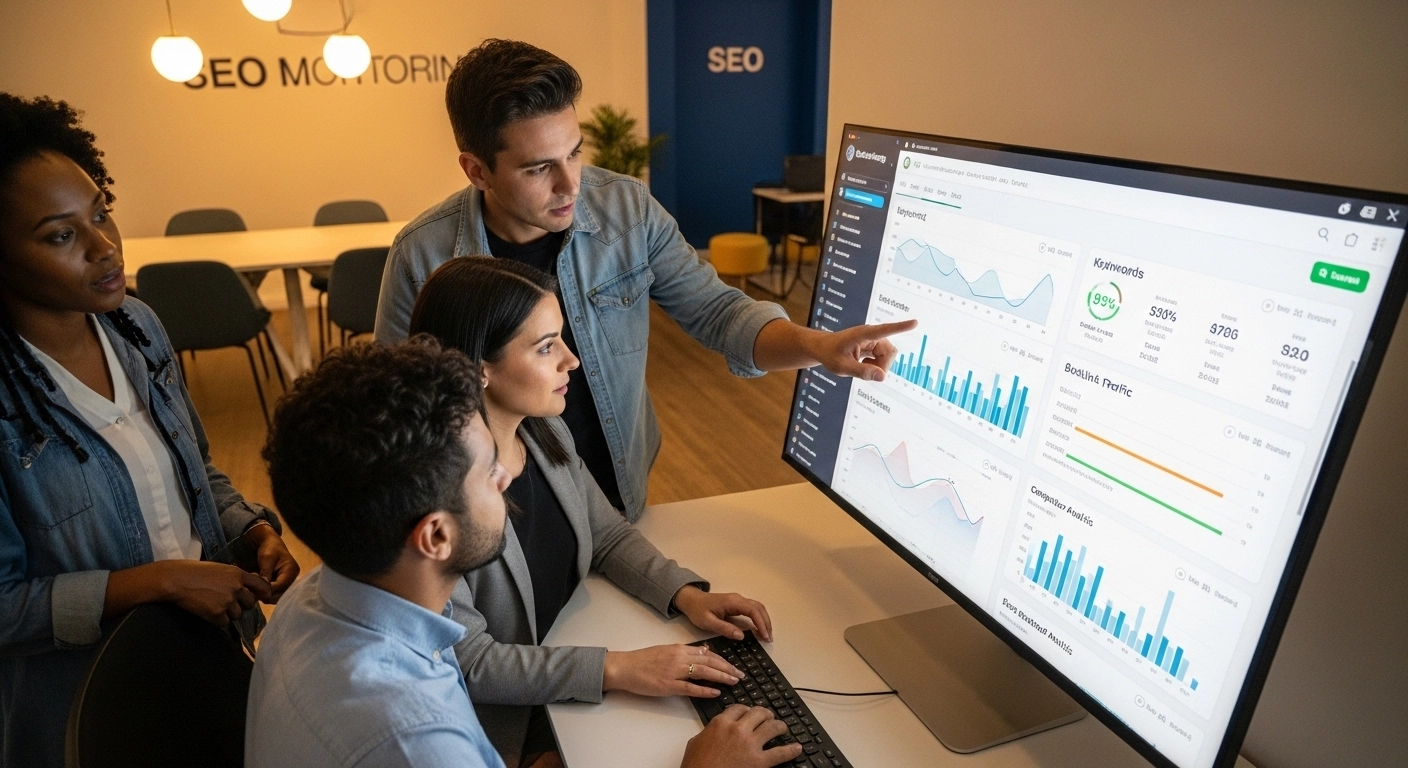
In today’s competitive digital landscape, simply implementing SEO is not enough—you need continuous tracking, analysis, and optimization to stay ahead. This is where SEO agency SEO monitoring becomes a game-changer.
SEO monitoring is the process of tracking your website’s performance across search engines, identifying issues in real time, and optimizing strategies based on data. A professional SEO agency uses advanced monitoring systems to ensure your rankings, traffic, and conversions are consistently improving.
Whether you’re managing a growing business or a large-scale website, effective SEO monitoring helps you detect ranking drops, technical errors, and content gaps before they impact your performance.
In this guide, you’ll learn everything about SEO agency SEO monitoring, including tools, strategies, frameworks, and best practices to dominate search rankings.
What Is SEO Agency SEO Monitoring?
SEO agency SEO monitoring refers to the continuous tracking and analysis of a website’s SEO performance by a professional agency using data-driven tools and processes.
It involves monitoring:
- Keyword rankings
- Organic traffic
- Technical SEO health
- Backlink profile
- User behavior
- Competitor performance
Unlike basic tracking, agency-level monitoring focuses on real-time insights, automation, and proactive optimization.
Why SEO Monitoring Is Critical for Success
SEO is dynamic. Search engine algorithms, competitor strategies, and user behavior change constantly.
H3: Prevent Ranking Drops
Monitoring helps identify issues like:
- Algorithm updates
- Technical errors
- Lost backlinks
- Content decay
H3: Improve ROI from SEO
With consistent monitoring, agencies can:
- Optimize high-performing pages
- Fix underperforming content
- Increase conversions
- Maximize traffic value
H3: Stay Ahead of Competitors
SEO monitoring reveals:
- Competitor keyword movements
- Content gaps
- New backlink opportunities
Key Components of SEO Monitoring
A strong SEO monitoring system covers multiple performance areas.
Keyword Ranking Tracking
Tracking keyword positions is essential for measuring visibility.
H3: What to Monitor
- Primary keywords
- Long-tail keywords
- Local search rankings
- Mobile vs desktop rankings
H4: Best Practices for Rank Tracking
- Track keywords daily or weekly
- Segment by location and device
- Monitor SERP features (featured snippets, FAQs)
Organic Traffic Analysis
Traffic data shows how users interact with your website.
H3: Metrics That Matter
- Sessions and users
- Bounce rate
- Average session duration
- Conversion rate
H4: Actionable Traffic Insights
- Identify top-performing pages
- Analyze traffic drops
- Optimize high-traffic, low-conversion pages
Technical SEO Monitoring
Technical issues can silently damage rankings.
H3: Critical Technical Elements
- Crawl errors
- Broken links
- Page speed
- Core Web Vitals
- Indexation issues
H4: Technical Monitoring Checklist
- Run regular site audits
- Monitor crawl stats
- Fix 404 errors quickly
- Optimize site speed
Backlink Profile Monitoring
Backlinks remain a major ranking factor.
H3: What to Track
- New backlinks
- Lost backlinks
- Domain authority trends
- Toxic links
H4: Link Monitoring Strategy
- Disavow harmful links
- Build high-authority backlinks
- Track competitor link growth
Competitor SEO Monitoring
Understanding competitors gives you a strategic advantage.
H3: Competitor Insights to Track
- Keyword rankings
- Content strategies
- Backlink sources
- Traffic trends
H4: Competitive Analysis Framework
- Identify top competitors
- Analyze their top pages
- Find keyword gaps
- Replicate and improve strategies
SEO Monitoring Tools Used by Agencies
Professional agencies rely on powerful tools for accurate insights.
Popular SEO Monitoring Tools
- Google Search Console
- Google Analytics
- Ahrefs
- SEMrush
- Screaming Frog
- Sitebulb
H3: AI-Powered SEO Monitoring Tools
Modern SEO agencies also use AI tools for:
- Predictive ranking analysis
- Automated alerts
- Content optimization suggestions
SEO Monitoring Framework Used by Agencies
Top agencies follow structured workflows to ensure consistent performance.
Step 1: Set Up Tracking Systems
H4: Initial Setup Process
- Connect analytics tools
- Configure keyword tracking
- Set conversion goals
- Integrate dashboards
Step 2: Create SEO Dashboards
Dashboards centralize all SEO data.
H4: Dashboard Metrics
- Keyword rankings
- Traffic trends
- Technical health score
- Backlink profile
Step 3: Continuous Performance Tracking
SEO monitoring is ongoing, not one-time.
H4: Monitoring Frequency
- Daily: Rankings & alerts
- Weekly: Performance trends
- Monthly: Full SEO reports
Step 4: Data Analysis and Insights
Raw data must be transformed into actionable insights.
H4: Insight Generation
- Identify growth opportunities
- Detect performance drops
- Prioritize SEO tasks
Step 5: Optimization and Execution
Monitoring without action is useless.
H4: Optimization Actions
- Update content
- Fix technical issues
- Improve internal linking
- Build backlinks
Advanced SEO Monitoring Strategies
To dominate search rankings, advanced techniques are essential.
Real-Time SEO Monitoring
Real-time alerts help detect issues instantly.
H3: What to Monitor in Real-Time
- Traffic drops
- Ranking fluctuations
- Site downtime
- Indexation issues
Predictive SEO Analysis
AI and data models predict future performance.
H3: Benefits of Predictive SEO
- Anticipate ranking changes
- Identify future trends
- Optimize content early
Content Performance Monitoring
Content needs continuous updates to stay relevant.
H3: Content Monitoring Metrics
- Keyword rankings
- Engagement metrics
- Content freshness
- Conversion performance
Common SEO Monitoring Mistakes to Avoid
Even experienced teams make mistakes.
Overlooking Technical Issues
Ignoring technical SEO can cause major ranking losses.
Tracking Too Many Metrics
Focus on metrics that impact business goals.
Not Acting on Data
Monitoring without implementation wastes resources.
Ignoring Search Intent Changes
Search intent evolves—content must adapt.
Benefits of Hiring an SEO Agency for Monitoring
Expertise and Experience
Agencies bring deep SEO knowledge and proven frameworks.
Advanced Tools and Technology
Access to premium SEO monitoring tools.
Time Efficiency
Focus on business while experts handle SEO tracking.
Data-Driven Decisions
Better decisions based on accurate insights.
Frequently Asked Questions
What is SEO monitoring?
SEO monitoring is the process of tracking website performance, keyword rankings, traffic, and technical health to improve search visibility.
How often should SEO be monitored?
SEO should be monitored continuously, with daily tracking for rankings and weekly/monthly analysis for performance trends.
What tools are used for SEO monitoring?
Common tools include Google Analytics, Google Search Console, Ahrefs, SEMrush, and Screaming Frog.
Why is SEO monitoring important?
It helps detect issues early, improve rankings, and maximize ROI from SEO efforts.
Can I do SEO monitoring myself?
Yes, but agencies provide advanced tools, expertise, and automation for better results.
How long does SEO monitoring take to show results?
Improvements can be seen within weeks, but significant growth usually takes 3–6 months.
What metrics matter most in SEO monitoring?
- Keyword rankings
- Organic traffic
- Conversion rates
- Technical SEO health
- Backlinks
Conclusion
SEO agency SEO monitoring is the backbone of successful search engine optimization. Without continuous tracking, even the best SEO strategies can fail over time.
By leveraging advanced tools, structured frameworks, and data-driven insights, SEO agencies ensure that websites maintain strong rankings, recover quickly from drops, and continuously grow organic traffic.
If you want to stay competitive in search results, investing in professional SEO monitoring is not optional—it’s essential.
